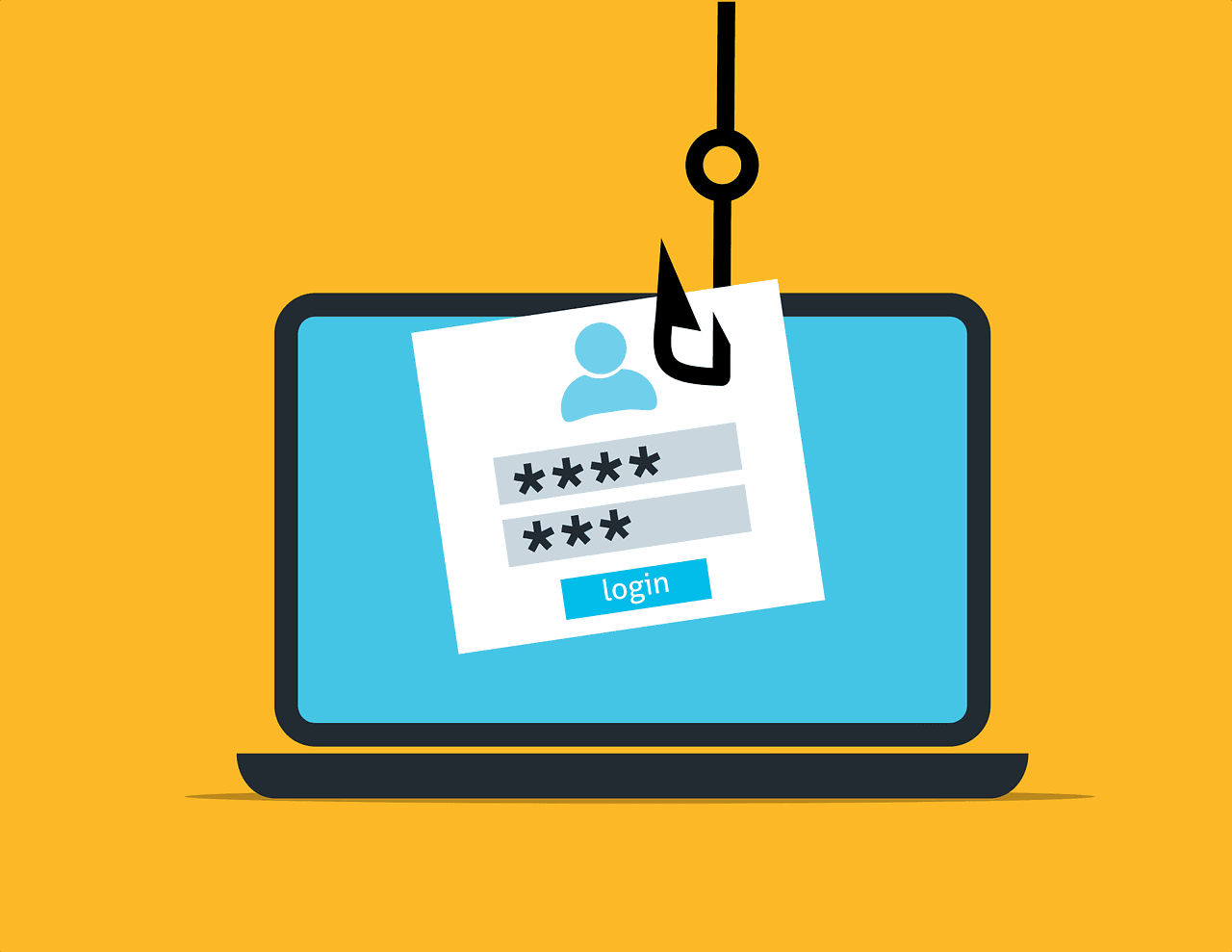
With children and teenagers spending more and more time online, it’s never been more important for parents and guardians to be aware of the sophisticated scams that target young people. Types of scams can range from phishing attempts to in-game purchases and fake online offers, with kids asked for personal information or payment in exchange for physical or digital rewards. Here’s how to help protect your child from falling victim to these online threats:
Common online scams targeting children
Phishing and smishing: Scammers may send messages pretending to be from trusted organisations such as banks or gaming companies, and ask children to provide personal information or click on malicious links. These messages can come through email (phishing) or text messages (smishing).
Fake offers and prizes: Children are often targeted with fake offers for prizes, such as new gaming consoles or smartphones. They may be asked to provide personal details or pay a small fee to claim the "prize," only to discover that it doesn’t exist.
In-game scams: Online video games often involve in-game purchases, and scammers use this to their advantage by offering fake deals on digital items like skins or weapons. Children can also be tricked into revealing login details or personal information during online play.
Fake shopping deals: Scammers often target children with fake online stores or social media ads offering exclusive deals on clothes, gadgets, or tickets, which result in financial loss or stolen information.
How to protect your child from online scams
Teach kids to spot suspicious messages: Help your child recognise the signs of scam messages, such as unsolicited requests for personal information, messages from unknown contacts, or offers that seem too good to be true. Encourage them to avoid clicking on links or responding to these messages.
Set up parental controls: Use parental controls on devices, games, and apps to limit access to unverified websites and monitor their online activity. Many platforms offer features like restricting in-game purchases or setting spending limits.
Monitor online activity: Stay involved in your child’s online life. Ensure they know they can come to you with any suspicious messages or offers. Regularly check their social media, messaging apps, and gaming platforms for signs of scams.
Promote digital literacy: Educate your child about the importance of online security, including using strong passwords, not sharing personal information, and recognising the difference between legitimate and fake offers. Reinforce the idea that if something seems too good to be true, it probably is.
By staying aware and informed of the scams that children are vulnerable to and taking proactive steps, you can help ensure they stay safe as they navigate the online world.
Cover image designed by Freepik